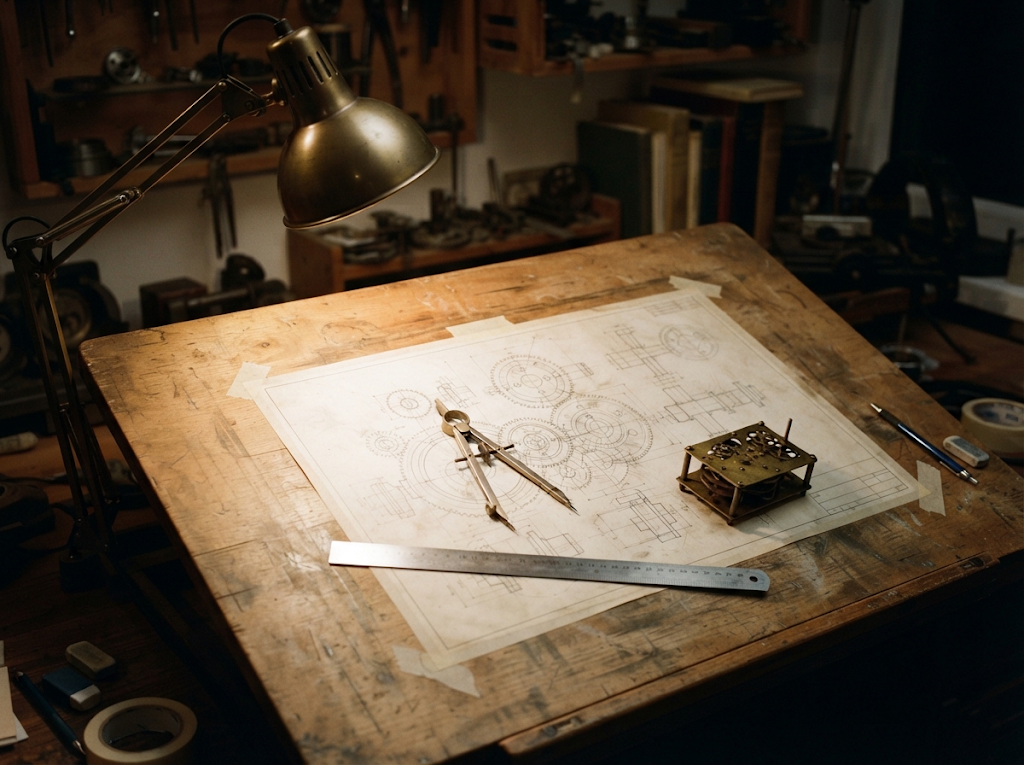
A patent is one of the few documents where a single word can decide what an inventor owns. The claims define the limits of protection, and a small change in a verb or a number can widen or narrow them. Translating patents between English and Russian requires a specialist who knows the technical field, the legal style of claims and the filing rules of each office. This guide explains how to prepare a patent project and how to avoid the mistakes that are hardest to repair.
What a patent contains
A typical patent has a title, an abstract, a description, drawings and a set of claims. The description explains the invention in detail, while the claims state exactly what is protected. Each part has its own style, and a translator must treat them differently.
The weight of the claims
Claims are written as one long sentence with a fixed structure, and every term must have a clear basis in the description. A translator may not simplify, shorten or improve them. Words such as comprising, consisting of and wherein carry legal meaning, and each needs the right Russian equivalent.
Technical terminology
Patents cover fields from chemistry to software, and each field has its own vocabulary. The translator should have a degree or long experience in the area, and should use terms that engineers in the target country actually use. Ask for a glossary of key terms before work begins, and review it with your technical team.
Consistency inside one document
A term must keep the same translation from the first claim to the last page of the description. Changing a word, even to a synonym, can create doubt about whether two parts are the same thing. Translation memory and term lists help the team stay consistent across long files.
Drawings and reference numbers
Drawings use numbers and short labels that link to the text, so these must match exactly in both languages. Collect editable drawings from the start, since replacing labels in locked images takes time. Check every reference number against the description before delivery.
Choosing a provider
Look for a team that handles intellectual property work and can show experience in your technical field. A provider of translation from english to russian should explain how it assigns specialists and how it reviews claims. Ask whether the translator has worked with patent offices, and request a sample from a similar field.
Confidentiality before filing
Disclosing an invention before filing can harm your rights, so confidentiality is not optional. Sign a non disclosure agreement, and ask how files are stored, who sees them and when they are deleted. Our guide on protecting confidential data in multilingual communication explains the safeguards to request from any language partner.
Deadlines and priority dates
Patent systems set strict time limits for filing a translation after the first application. Missing a deadline can end the rights in that country, so plan the project backward from the final date. Tell the provider about the deadline at the first contact, and agree on stages with fixed delivery dates.
Review by a technical expert
A second reader with technical knowledge should compare the translation with the source, claim by claim. The inventor or an engineer from your team can also read the result to confirm that the meaning is intact. Patent attorneys in the target country often make the final check before filing.
Machine translation and patents
Machine tools can help you read a foreign patent quickly during research, and they are useful for a rough understanding. They are not suitable for documents you will file, because errors in claims are hard to notice and costly to fix. If a draft is produced by software, a qualified human must edit every line.
Reading foreign patents for research
Many companies translate Russian patents to study competitors and to check freedom to operate. For this purpose, a faster and lighter review may be enough, as long as the key claims are understood correctly. If a decision depends on a specific claim, order a full professional translation of that part.
Cost and planning
Patent translation costs more than general text because of the expertise and the review steps. Prices are set per word, and long descriptions can run to many thousands of words. Request a written quote that lists translation, review and formatting, and build the cost into your filing budget.
Common errors to avoid
The most frequent problems are inconsistent terms, dropped reference numbers and claims that were reworded to sound smoother. Another risk is relying on a general translator who does not know the field, which leads to terms that engineers would never use. A final checklist, applied to every claim and every figure, catches most of these issues before filing.
Sharing background material
Send the translator earlier patents in the same family, prior art citations and any glossary your engineers already use. This background helps the team choose terms that match the existing record and reduces questions during the project. A short call with the inventor can also clear up unclear passages and prevent guesswork.
Where to read more
For background on how patents work and why they are granted, see the patent article on Wikipedia. It explains the main rights and the process used by patent offices.