A film that becomes a hit in one country rarely stays there. Streaming platforms, festivals and online video have made it normal for audiences in Brazil to watch a Korean series, for viewers in Germany to follow a Spanish thriller and for children everywhere to learn from cartoons made on the other side of the world. None of this would work without language, and the choice between dubbing and subtitles shapes how each viewer experiences the story. Some countries prefer to hear actors speak their own language, others read the dialogue on screen and keep the original voices. The right method depends on the audience, the genre and the budget, and there is no single answer that fits every project. This article compares the two approaches, explains how each is produced and offers advice for producers who want their content to travel well.
How Subtitling Works
Subtitling turns spoken dialogue into short lines of text that appear at the bottom of the screen. It begins with a transcript and a time coded script, which the subtitler adapts into compact phrases that viewers can read comfortably while following the image. Standard guidelines limit the number of characters per line and per second, so the subtitler must condense speech, remove repetition and keep the key idea. Timing is critical, since subtitles must appear and disappear in sync with the speaker and respect shot changes. Good subtitles are almost invisible, because the viewer follows the story without noticing the effort behind the text.
How Dubbing Works
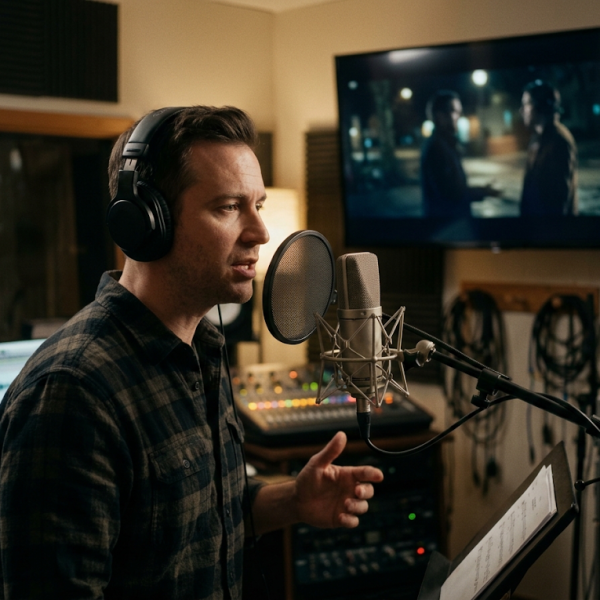
Dubbing replaces the original voices with a recording in the target language. A translator first prepares a script that matches the meaning, the length and the lip movements of the original, a process that requires creativity as well as accuracy. Directors then cast voice actors, record the lines in a studio and mix the new track with music and effects. The result can feel natural and immersive, especially for children and for viewers who do not like reading, but it takes more time and money than subtitling. Quality depends on strong casting, careful adaptation and a close match between voice and character.
Which Method Do Audiences Prefer
Preferences vary by country and by habit. Many markets in continental Europe and Latin America have a long tradition of dubbing, while others lean toward subtitles, and younger viewers who grew up on streaming are often more willing to read. Genre matters too, since animation and family content are commonly dubbed, whereas documentaries and arthouse films are often subtitled. The British Film Institute publishes research on audiences and distribution that helps producers understand how viewing habits differ. Whenever possible, test both versions with a small group before a major release.
Voice Over and Other Options
Between dubbing and subtitles lies voice over, where a narrator speaks over the original audio, which can still be heard faintly in the background. This method is common for documentaries, news and corporate videos because it is faster and cheaper than full dubbing. Audio description for visually impaired audiences and closed captions for deaf and hard of hearing viewers are additional services that make content accessible. For Russian speaking audiences, producers often look for english to russian voice translation to prepare training videos, advertisements and explainer content, since this format balances cost and clarity.
The Role of Technology
Automatic speech recognition, machine translation and synthetic voices have changed how media is localised. They can create fast drafts of transcripts, subtitles and even dubbed tracks, which helps small producers publish in several languages. However, errors in names, jokes and emotional tone are common, and synthetic voices still struggle with subtle performance. This overview of mistakes machines still make shows why human review remains essential. The best workflows use technology for speed and professionals for judgement, and they keep creative control with people who understand both language and storytelling.
Preparing Your Content for Localisation
Producers can make life easier for localisation teams by delivering clean audio stems, final scripts, time codes, a glossary of names and terms, and notes about tone and cultural references. Avoid burning text into the picture unless you can provide an editable version, since titles and captions must be replaced for each language. Leave space for longer subtitle lines and consider reading speed when you edit scenes with fast dialogue. If humour or wordplay is central, explain it to the team so that they can create a suitable equivalent instead of a literal copy that falls flat.
Quality Control and Delivery
Before release, watch the localised version with native speakers, checking sync, spelling, tone and technical issues such as font support and file formats. Deliver subtitle files in the format required by each platform, and keep master files organised for future updates. Plan the schedule so that localisation starts early, preferably before the final cut is locked, to reduce rework. With careful planning, the right method for each market and a team that respects the story, your film or series can move across borders and move audiences everywhere.