A series that gathers fans at home can disappear abroad when the subtitles feel stiff or the dubbing misses the humor. Streaming platforms now reach viewers in dozens of countries and each of them expects a version that feels made for them. This article explains how production teams can plan localization of video content so that audiences abroad enjoy the story the way it was meant to be told.
Think about localization during production
The cheapest moment to prepare for other languages is before filming ends. Clean audio tracks and clear scripts and a list of on screen texts give localization teams what they need. Adding these items later means chasing files and recording again and paying more for every fix that could have been prevented with planning from the first week.
Decide between subtitles and dubbing
Some markets prefer subtitles while others expect dubbed voices. Children content and mass entertainment often lean toward dubbing while films for adults can work well with subtitles. Look at viewing habits in each target country and test both options with a small audience before committing the budget to a full set of voices.
Prepare a complete script package
A good package includes the final script with timecodes and notes on tone and character and a glossary of names and special terms. Add references for slang or jokes that need explanation. When translators receive this material at the start they spend their time creating good lines and not asking basic questions that slow the schedule.
Choose partners who handle media every day
Media work has its own rules about reading speed and line length and lip sync. Studios often rely on translation services that include subtitle specialists and voice directors and quality checkers working in one workflow. Ask for demo reels and for the reading speed standards the provider follows because those details decide how comfortable the final result feels.
Respect subtitle timing and length
Viewers need enough time to read a line before it disappears. Two lines of limited length are the norm and each line should break at a natural point in the sentence. A translator who knows these rules condenses the dialogue without losing the meaning and keeps the screen clean so the audience can enjoy the picture as well as the text.
Adapt humor and cultural references
A joke about a local celebrity may mean nothing abroad. The adapter chooses between keeping the reference with a short explanation and replacing it with something similar that the new audience knows. This decision should involve the creative team because it affects tone and character and sometimes the plot logic of a scene.
Cast and direct voices carefully
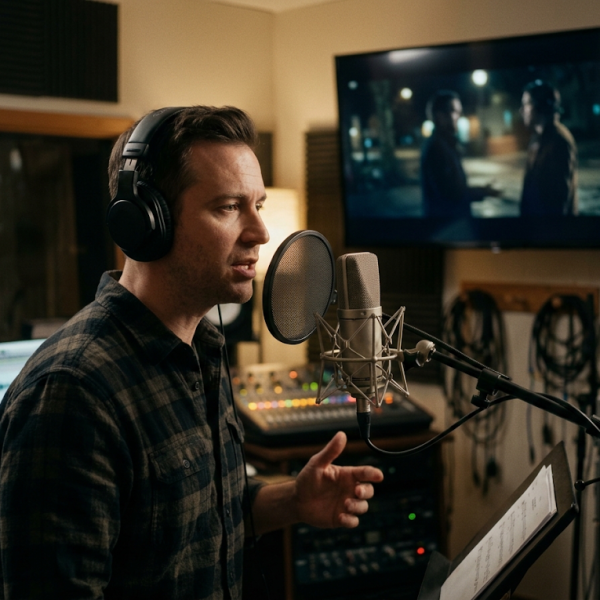
Dubbing requires actors whose voices fit the characters and who can match the rhythm of the original performance. Recording sessions need a director who understands both languages and the story. Even a perfect translation fails if the performance feels flat so allow time for rehearsal and for a few retakes when the emotion is not right.
Quality control before release
Watch the final version from start to end with the sound on and then again with the sound off to check the subtitles. Look for typos and timing drift and mismatched names. A short test with native viewers often finds issues that professionals no longer notice after weeks of working on the same episode.
Think about accessibility
Subtitles for deaf and hard of hearing viewers include sound descriptions and speaker labels and need extra care. Accessible versions open the content to a wider audience and may be required by regulation in some markets. Plan the budget for them early because they take extra time and cannot be created automatically with good results.
Follow industry data to guide priorities
Reports from groups such as the Motion Picture Association and consulting firms like PwC show how global viewing habits are changing. Use this kind of data to decide which languages to prioritize first. A smart rollout starts with the markets where your content already has traction and grows from there as revenue allows.
Manage assets and versions
A multilingual release creates dozens of files with scripts and subtitles and audio stems. Name them clearly and keep a master list showing which version is approved. Without this discipline teams upload the wrong file or lose the latest corrections and the audience sees a rough draft instead of the finished work.
Handle freelancer payments neatly
Many localization projects use freelance translators and voice actors who bill per project. A simple online invoice generator lets production companies and freelancers create clean documents with hours and rates in minutes. Agree on payment terms in writing and keep each invoice with the matching brief so accounting stays tidy at the end of the season.
Protect unreleased material
Pre release episodes are valuable and leaks can cost a launch. Share files through secure platforms with watermarks and limit access to the people who need them. Ask every partner to sign a confidentiality agreement and to delete files after delivery. These steps are standard in the industry and give studios peace of mind.
Measure results by market
After release compare watch time and completion rates and viewer feedback across languages. If one version underperforms check the translation and the voice cast before blaming the content. Lessons from each market feed the next project so each season gets smoother and cheaper to localize than the last one.
Common mistakes to avoid
The usual mistakes are starting localization after the edit is locked and sending incomplete scripts and ignoring reading speed. Another is choosing partners only on price. Each of these leads to rework and delays that cost more than the savings so a short checklist before handing over files is well worth the time.
Localizing video content is a creative job as much as a technical one. Plan early and prepare complete materials and choose partners who live and breathe media. When the subtitles and voices feel natural the audience stops noticing the translation and simply enjoys the story that you worked so hard to tell.