Players forgive a lot, but they do not forgive a story that does not make sense. A joke that falls flat, a menu that is half translated or a character who suddenly changes the way they speak will pull a player out of the game within seconds. Video game localisation is much more than translating a script. It means adapting text, voices, images and sometimes entire mechanics for a new audience. The best localised games feel as if they were created in the player's language, and that result comes from planning translation into the development process, not adding it at the end. This article looks at what studios should know before taking a game to Polish players.
Text Lives Everywhere in a Game
Dialogue is only one part. A game contains menus, tooltips, item names, quest logs, achievements, tutorials, loading screens, store descriptions and legal notices. Many of these strings are short and have no context. A single word such as "Use" can be a verb or a noun, and a translator who sees it alone cannot tell. Give translators context in the form of screenshots, notes, character descriptions and, if possible, a playable build.
Variables and Plurals
Games build sentences from pieces, such as "You found [number] [item]". This works in English, but fails in languages with complex grammar. Polish has several plural forms and gender distinctions that change the ending of nouns and verbs. Developers should avoid joining fragments in code and use full sentences with placeholders, so that translators can reorder words and adjust endings. Plan for this in the engine from the start, because fixing it later is expensive.
Character Voice and Humour
Each character has a way of speaking. A grumpy dwarf, a polite robot and a teenage hero should sound different in every language. Wordplay, rhymes and cultural references are common, and they need creative adaptation, not literal translation. Translators in games are closer to writers, and they should be given a style guide with tone, forms of address and examples of how the characters speak.
Polish Players and Their Expectations
Poland has a strong gaming culture and a respected development scene, and players are accustomed to high quality localisation. They notice errors, and they are vocal about them online. A provider of english to polish translation who plays games and understands the genre can choose natural terms for game mechanics, keep a consistent tone and avoid awkward calques from English, which helps a title earn good reviews in the local market.
Text Length and Interface
Polish and other languages can be longer than English, and a button that fits "Play" might not fit the translated word. Design flexible interfaces with room for expansion, and test with the longest languages early. Special characters such as Polish diacritics must be supported by fonts and by the engine, otherwise letters turn into boxes or question marks. Test on every platform, since console and mobile display text differently.
Voice, Subtitles and Timing
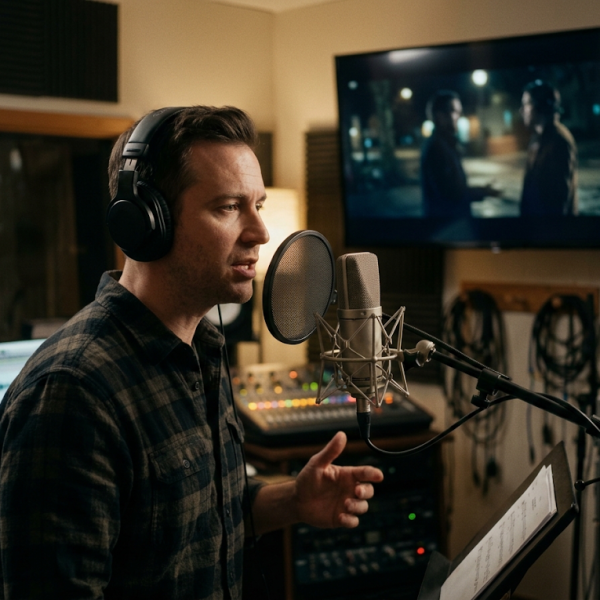
If a game uses voice acting, decide between full dubbing, partial dubbing and subtitles only. Dubbing requires scripts that fit the length of the original lines, casting, direction and recording, which is a big investment. Many studios start with subtitles and add voices for key markets. Industry resources such as the International Game Developers Association offer community guidance on game production and localisation practice.
Quality Assurance in Context
Linguistic testing means playing the game in the target language and checking every string in place. Testers look for truncated text, wrong variables, inconsistent terms and cultural issues. They report bugs with screenshots, and translators correct them. A round of testing before release is one of the most valuable investments, because it catches errors that no spreadsheet review can find.
Cultural and Legal Checks
Some content may need adjustment to meet age rating rules, local laws or cultural norms. Symbols, gestures, colours and historical references can be sensitive in some markets. Ask a local expert to review the game before launch. Store pages, privacy notices and terms of service also need careful translation, since they are legal documents and are read by regulators and platform teams.
Related Reading
For a wider look at how Polish and English texts differ and what translators must handle, see this guide to Polish to English translation. Many points about grammar, word order and tone apply to game texts as well, particularly for dialogue and menus.
Plan for Updates
Games are updated after release with patches, events and new content. Each update brings new strings that must be translated quickly and consistently. Use a translation memory and a glossary so that terms for items, places and skills remain the same across releases. A long-term partner who knows your game can deliver updates faster and with fewer errors than a new team every time.
Start Early, Save Money
Studios that involve localisation from the design stage save time and money. Strings are written clearly, the engine supports all languages and the translators have the context they need. The result is a game that players in every market enjoy from the first minute.